
Best Fragrance Oil Suppliers for Small Businesses in 2026 (US, EU & Worldwide)
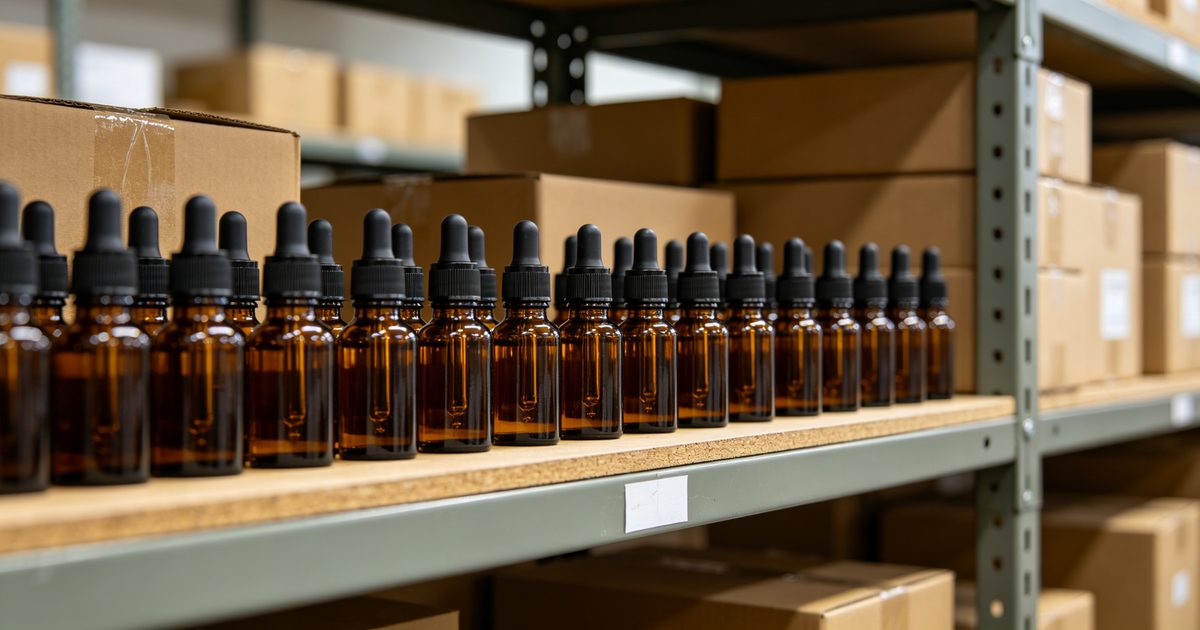
Ask a hundred candle and soap founders what nearly killed their business in year one and a surprising number will not say marketing. They will say supply: an oil that smells perfect in the sample vial but arrives three weeks late, costs twice the budget at scale, or cannot be reordered. That quietly ends small product lines.
Sourcing is not a chore you do once before launch. It is an ongoing system — how you vet vendors, how you sample, what paperwork you collect, and how you protect yourself when a batch drifts.
This guide covers how to evaluate a supplier, a vendor comparison table, three starting points, sourcing from China through marketplaces, regional advice, and the costliest mistakes. Selections are based on ingredient analysis, spec comparison, and verified buyer feedback — policies change, so confirm details before you commit.
Why Your Supply Chain Decides Whether Your Business Survives
A small fragrance business lives on repeat purchase: customers come back for the exact scent they fell in love with, so consistency is not a nice-to-have — it is the product. Three sourcing decisions shape that outcome:
- Scent continuity. If your supplier reformulates or drops a fragrance, your bestseller disappears with it. Vendors who publish batch numbers and keep retained samples give you a chance to match a replacement.
- Cost structure. Fragrance is usually one of the largest line items in a candle or soap unit cost. Moving from bottles to liter or drum quantities changes your margin — but only if quality holds at volume.
- Compliance exposure. Selling without documentation can put you on the wrong side of marketplace policies, insurer requirements, and in some regions, labeling law.
The flip side is encouraging: you do not need a factory contract to run a serious small brand. Plenty of six-figure candle and soap businesses buy from the same retail-friendly suppliers a hobbyist uses, just in larger sizes. The skill is knowing when to move up a tier.
How to Evaluate a Fragrance Oil Supplier
Score every vendor on the same five criteria before you compare them by name. The framework works whether you are buying from a US warehouse or a factory overseas.
Minimum order quantity (MOQ)
MOQ tells you where a supplier sits on the hobby-to-industrial spectrum. Retail-friendly vendors sell sample bottles or starter packs, step up to roughly 1–5 L for a validated scent, and reserve drum-scale tiers for established accounts. Industrial manufacturers often quote in kilograms and may not want small accounts. Ask for the full tier ladder — the jump between tiers is where the savings are.
Sample strategy
Never evaluate a fragrance oil on paper. Order samples of three to five candidates in the same family and judge them in your actual wax, soap base, or alcohol dilution. A scent that smells beautiful from the bottle can vanish in soy wax or turn sharp in cold process soap. Run each through a full cure cycle, not a sniff test.
Documentation: COA, SDS/MSDS, and IFRA
This is the single clearest dividing line between professional suppliers and casual sellers. Ask every vendor for:
- Certificate of Analysis (COA) — confirms the batch you received matches the specification.
- Safety Data Sheet (SDS, often called MSDS) — covers handling, flash point, storage, and transport classification.
- IFRA conformity certificate — maximum use level by product category (candles, leave-on skin, rinse-off, and so on).
- Allergen statement — declarable fragrance allergens you may need on labels, especially in the EU and UK.
A supplier who produces these quickly and consistently is telling you they run a real quality system. One who says "we can send something if you really need it" is telling you the opposite.
Batch-to-batch consistency
Crop variation, regulatory reformulation, and substituted raw materials all cause drift. Keep a retained sample: seal a small amount of every batch, label it with the batch number and date, and store it away from heat and light. Compare each new delivery against that oil on a blotter strip — catching a drift before you pour two hundred candles is worth the ten minutes.
Responsiveness and technical support
Send a genuinely technical question before a large order: ask for the recommended fragrance load in a specific wax. The quality and speed of that answer predicts how the relationship will feel when something goes wrong.
Supplier Comparison at a Glance
The table below summarizes established fragrance oil and perfumery material vendors by region, order size, and who they suit best. MOQs change over time, so treat these as ranges to ask about rather than fixed commitments.
| Supplier | Region | Typical MOQ Range | Best For | Where to Buy |
|---|---|---|---|---|
| CandleScience | United States | Sample bottles to ~1–5 L; ask the supplier | Candle and wax-melt makers who want strong documentation | · |
| Bramble Berry | United States | Small bottles to multi-liter; wholesale tiers | Soap, bath and body startups | · |
| Perfumer's Apprentice | United States | Small formats upward; ask the supplier | Fine-fragrance formulators and aroma chemical buyers | · |
| MakingCosmetics | United States | Lab packs to drums; ask the supplier | Cosmetic-grade and personal care applications | · |
| Bulk Apothecary | United States | Small sizes to wholesale drums | Cost-sensitive bulk buyers and private label | · |
| Gracefruit / Aromantic | United Kingdom & EU | Small packs to wholesale; ask the supplier | EU and UK makers avoiding import duty and delay | · |
| De Hekserij | Netherlands (EU) | Small packs upward; ask the supplier | Perfumery raw materials and aroma chemicals in Europe | · |
| Fragrance oil manufacturer on AliExpress | China, ships worldwide | Often 1–5 L up to ~25 kg; ask the supplier | Price-sensitive buyers, private label, packaging and hardware | · |
← Swipe to see more →
Three Starting Points, by Budget
Three sensible entry routes depending on where your business sits today. Selections are based on ingredient analysis, spec comparison, and verified buyer feedback.
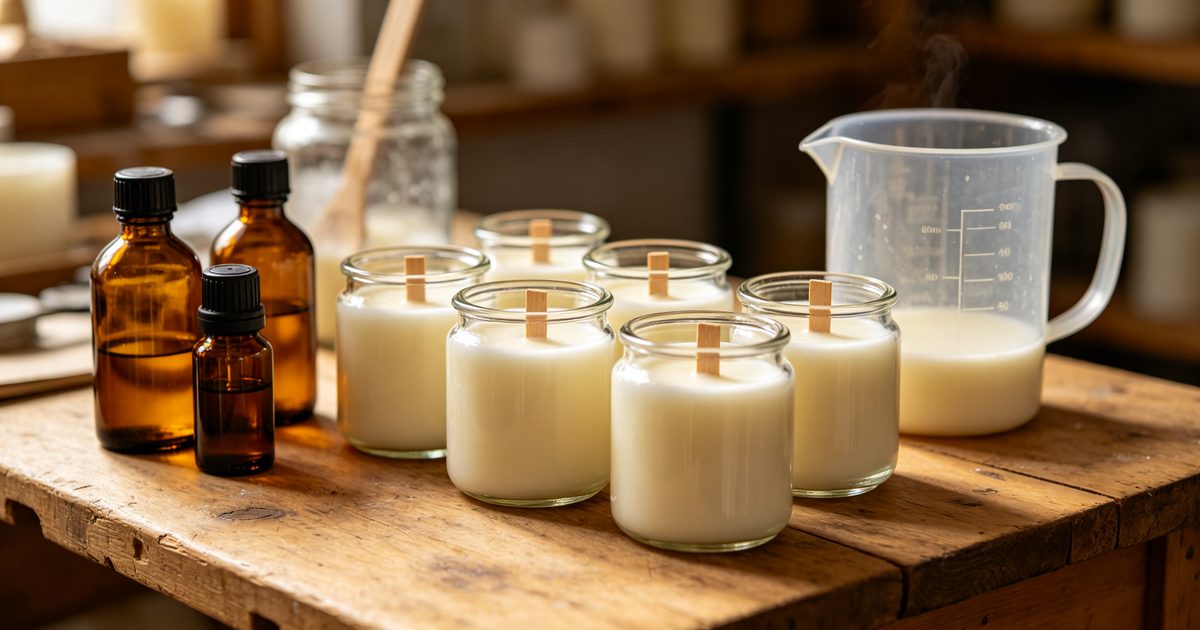
CandleScience Fragrance Oils
The default for US candle and wax-melt brands: a broad catalog, fragrance-load guidance by wax type, and documentation that is easy to obtain per batch. Best if you want to move from hobby to consistent small-batch production without chasing paperwork.
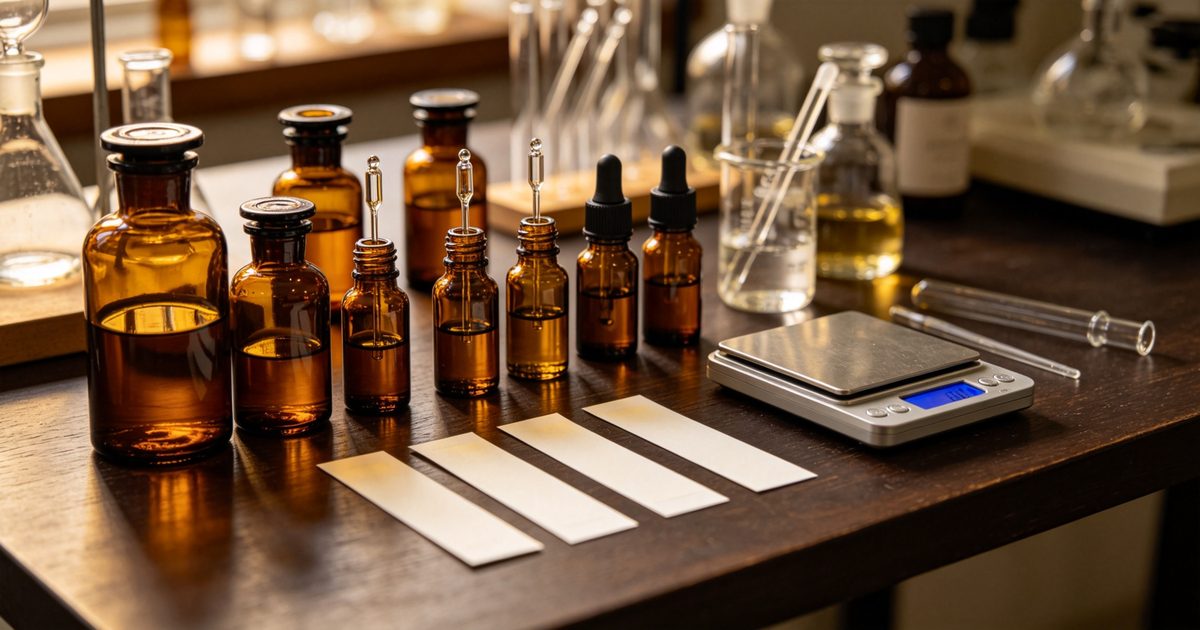
Fragrance Oil Manufacturer on AliExpress
The lowest-cost route to volume, and the one that demands the most discipline. Sample first, request COA and IFRA documents in writing, and test in your real base before scaling. Best for price-sensitive private label, packaging and hardware — not for your hero scent until you have validated it.
Perfumer's Apprentice Perfumery Materials
Our pick if you are building original fine-fragrance formulas rather than buying finished accords: a deep catalog of aroma chemicals and bases with the technical detail a formulator needs. Worth pairing with our home formulation guide.
Sourcing From China: Types, Safety Steps, and Paperwork
China is the world's largest producer of fragrance compounds and aroma chemicals, and marketplaces put that capacity one click away. The opportunity is real; so is the variance in quality. Treat the marketplace as a discovery channel, not a vending machine.
Types of suppliers you will meet
- Fragrance oil manufacturers on AliExpress — factories or factory-affiliated storefronts selling finished oils, sometimes with private label and custom-matching.
- Trading companies and resellers — wide catalogs and small MOQs, but they may not control production or documentation.
- Packaging and hardware specialists — bottles, caps, pumps, droppers, labels and boxes. Often the best-value category on any marketplace.
- Aroma chemical houses — individual materials such as vanillin or bergamot fractions; suited to formulators, not beginners.
Sample first, always
Order samples from three or four suppliers for the same brief and compare them side by side. Judge on accuracy to the described profile, performance in your base, stability after aging, and whether the oil matches the documents you were sent. Reject any supplier whose sample and paperwork disagree.
What to include in your inquiry
A vague message gets a vague quote. Before you write, decide on:
- Application — candle, cold process soap, diffuser, or leave-on skin. This determines the IFRA category and the documents you need.
- Fragrance load — the percentage you intend to use, so the supplier can flag any limit issues.
- Required documents — COA, SDS/MSDS, IFRA conformity certificate, allergen statement, and a batch number on every container.
- Quantity tiers — sample, first order and repeat order volumes, so you can see the real cost curve.
- Packaging, lead time and shipping terms — container type, closure, private label needs, production time and who handles customs.
Inspection and quality control
Before a large shipment ships, ask for photos of the actual containers, batch numbers and seals. A third-party pre-shipment inspection costs little relative to the risk. On arrival, check container integrity, odor, color and viscosity against your retained sample.
International shipping and tariffs
Shipping is where optimistic budgets go to die. Three points to plan for:
- Dangerous goods classification. Some fragrance oils are restricted for air freight because of flash point. Carriers may require a DG declaration or refuse air shipping, so confirm the flash point from the SDS before you book.
- Tariff classification. Fragrance compounds are generally classified under HS heading 3302 in most tariff schedules, but the exact subheading and duty rate depend on your country. Confirm with a licensed broker rather than guessing.
- De minimis and import taxes. Thresholds for duty-free imports change often and vary by destination. Check the current rule before assuming a parcel clears free of charge.
Longer transit also means more heat exposure. Oils sitting in a hot container for weeks can shift in character, so consider seasonal timing for large buys.
Intellectual property and compliance
Do not ask a supplier to reproduce a trademarked fragrance or to put a brand name in your listing. Scent profiles are generally not protected the way logos are, but trademarks are — and listings that lean on someone else's brand invite takedowns. Our hotel scent dupe guide covers where the line sits. Expect EU and UK CLP labeling and allergen rules if you sell there.
Advice by Region
United States
The US has the deepest bench of retail-friendly suppliers, with CandleScience, Bramble Berry, Perfumer's Apprentice, MakingCosmetics and Bulk Apothecary all shipping domestically with published documentation. Fast delivery makes it the easiest market to start in. Use overseas marketplaces selectively — mainly packaging, hardware and secondary lines — and lean on domestic vendors for your hero scents.
Europe
EU and UK makers carry extra labeling obligations, including allergen declaration and CLP formatting, so vendors who know those rules save real time. Sourcing within Europe from Gracefruit, Aromantic or De Hekserij avoids import VAT, duties and customs delays. Non-compliant goods can be stopped at the border — prioritize documentation over unit cost.
Middle East
Amazon coverage is thinner across much of the Middle East than in the US or Western Europe, while marketplaces such as AliExpress have strong coverage and cheap shipping into the region — so overseas sourcing is the practical default. Plan for longer lead times and watch heat exposure in transit, which degrades fragrance oils faster than almost anything. Demand for oud, amber and resinous profiles is strong.
South America
Amazon coverage is limited in several South American markets, while AliExpress is widely used and well established. The real constraint is customs: import taxes and clearance delays can be substantial and unpredictable. Consolidate orders rather than shipping frequently, always use tracked shipping, and build a longer cash cycle into your plan.
Common Sourcing Mistakes
- Buying on price alone. A cheaper oil that throws weakly in wax costs more per finished unit than a pricier oil that performs at half the load.
- Skipping documentation. No COA, SDS or IFRA certificate means no defensible product if a customer, marketplace or insurer asks questions.
- Falling for an unvalidated scent. Build your line around oils proven through full cure and aging, not ones that smell great in the bottle.
- Single-sourcing a bestseller. Qualify a backup supplier for your top one or two scents before you need one.
- Scaling without re-testing. A drum from a different production run can behave differently — re-test every batch against your retained sample.
- Ignoring shipping restrictions. Flash point and dangerous goods rules can block a shipment or add unexpected cost.
Frequently Asked Questions
What is a reasonable MOQ when I am just starting out?
For a first product run, look for suppliers that sell sample or starter sizes and only step up to 1–5 L once you have validated the scent in your actual base. Bulk tiers in the 25 kg range normally make sense only after you have repeat orders, and MOQs vary by supplier, so ask directly rather than assuming.
What documents should a fragrance oil supplier provide?
Ask for a Certificate of Analysis (COA), a Safety Data Sheet (SDS, sometimes called MSDS), an IFRA conformity certificate, and an allergen statement. Skin-contact and candle applications may need additional documentation depending on your market, and a supplier that cannot supply these for every batch is a red flag.
Are fragrance oils from AliExpress safe for candles and soap?
They can be, but documentation quality varies widely. Order samples first, request COA and IFRA paperwork in writing before you commit, test the oil in your own wax or soap base, and avoid any listing that imitates a branded perfume name or trademark.
How can I tell if a fragrance oil supplier is legitimate?
Check for a verifiable business address, consistent batch numbering, published safety documentation, and responsive technical support. Order a paid sample, compare it against the COA, and place a small trial order before any large commitment.
Do I need IFRA documentation if I only sell candles?
Yes. IFRA standards set maximum use levels by product category, and candles fall under a different category from leave-on skin products. Your insurer, your marketplace, and in some regions your regulator may all ask for an IFRA conformity certificate, so request it for every fragrance you buy.
The Bottom Line
Start small, document everything, and earn the right to scale. Pick one retail-friendly vendor for your first validated scents, sample from at least two others, and keep a retained sample of every batch. Once a scent proves itself, move up the volume ladder and qualify a second source.
Ready to put the supply chain to work? Read how to start a perfume line on a small budget, compare our picks in best fragrance oils for candle making, or follow how to make scented soy candles to turn your first oil order into finished product.
Related Articles
This post may contain affiliate links. If you click and buy, we may earn a small commission at no extra cost to you.