
Bergamot in Perfumery: Uses, Safety & Blending Guide
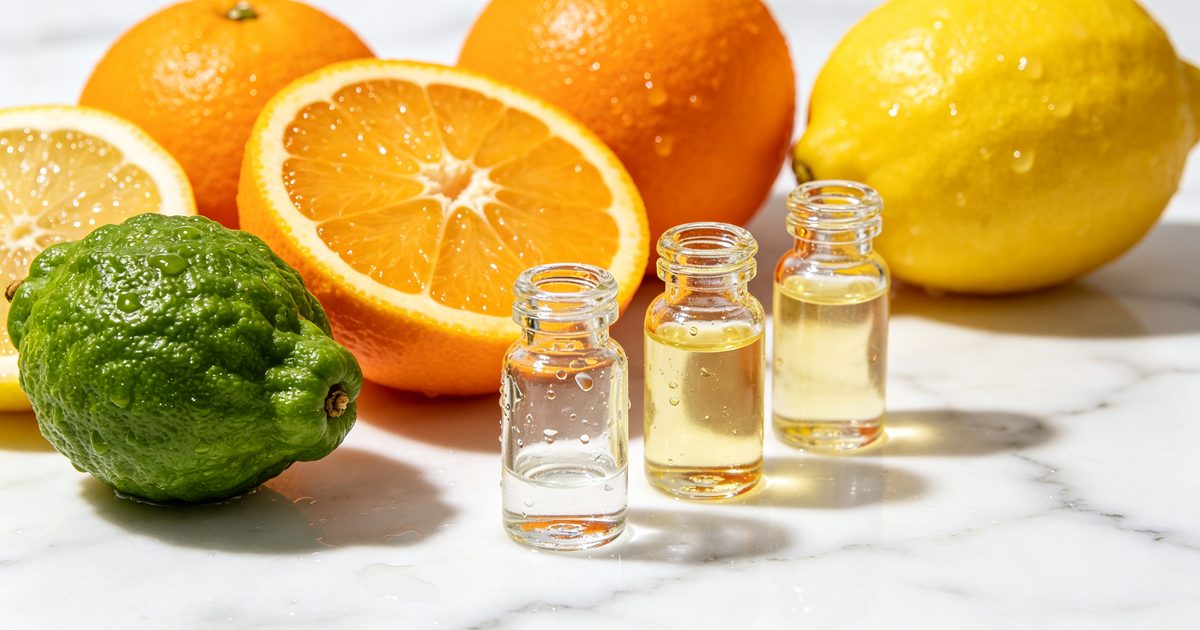
Open almost any fresh perfume, cologne, or "clean" home fragrance and the first thing you smell is probably bergamot. It is the single most-used citrus in fine fragrance — the sparkle on top of everything from 18th-century eau de cologne to modern niche scents. It is also the citrus with the most important safety footnote in the entire industry.
Here is what bergamot is, how perfumers actually dose it, what you must know about bergapten and phototoxicity, and what to blend it with.
What Is Bergamot?
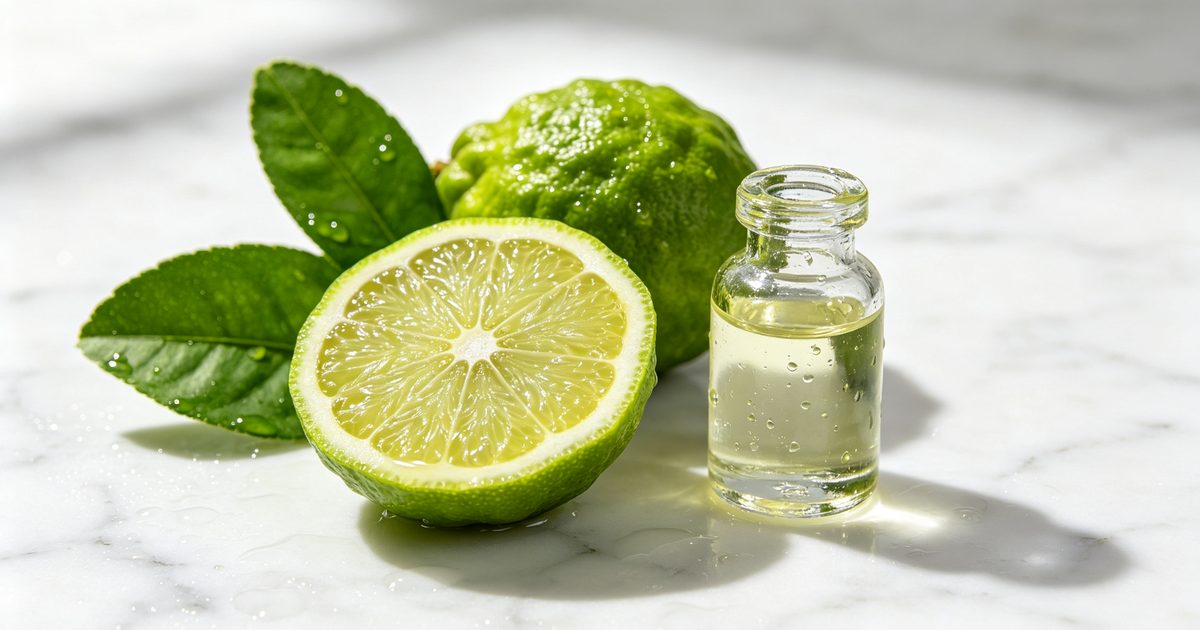
Bergamot is a small, pear-shaped citrus fruit (Citrus bergamia) grown almost exclusively in Calabria, southern Italy, which produces the large majority of the world's supply. The essential oil is cold-pressed from the peel — a fully natural material, not a synthetic.
The smell is bright, sparkling, and sweet-tart, but what sets bergamot apart from other citrus is its complexity: a floral undertone (from linalyl acetate and linalool), a lightly peppery-green edge, and a bittersweet depth that orange and lemon simply do not have. If you drink Earl Grey tea, you already know the profile — bergamot is its signature flavor.
How Perfumers Use Bergamot
Bergamot is a top note — the first impression, not the lasting structure. Perfumers use it to:
- Open a composition with light and lift — it makes everything underneath feel fresher and more expensive.
- Anchor the classic cologne accord — bergamot plus neroli, petitgrain, and lavender is the skeleton of eau de cologne, and of countless modern "fresh" scents.
- Start chypre and fougère structures — the traditional chypre pyramid begins with bergamot over oakmoss and labdanum.
- Build tea accords — bergamot over black or green tea notes creates the Earl Grey-style freshness behind many hotel and spa scents, like the white-tea profiles in our hotel scent dupes guide.
Typical dosage: in fresh compositions, bergamot commonly makes up about 5–30% of the concentrate; in richer styles it may appear at just 1–5% as a brightener. Because it is highly volatile, its sparkle fades within the first 15–45 minutes on skin — perfumers compensate with fixatives and transparent florals like hedione rather than by overdosing the citrus itself.
Safety & IFRA
This is the section that matters most. Cold-pressed bergamot oil naturally contains furocoumarins, most notably bergapten. Bergapten is phototoxic: if it sits on skin and the skin is then exposed to UV light, it can trigger phytophotodermatitis — real burns and dark pigmentation that can last for months. Historical cases of "bergamot burn" are well documented.
The industry answer is twofold:
- IFRA restrictions. IFRA limits the furocoumarin content of leave-on products, and treats leave-on (perfume, lotion) and rinse-off (soap, shampoo) categories very differently. Exact limits change between amendments, so consult the current IFRA Standards and your supplier's documentation rather than memorizing numbers.
- FCF bergamot. Suppliers offer "furocoumarin-free" (also labeled bergapten-free or rectified) bergamot, where the phototoxic fraction has been removed by distillation. For leave-on products, FCF is the responsible default. It smells marginally less "oily" than the expressed oil, but in a finished blend almost nobody can tell.
Whichever grade you buy, keep the supplier's IFRA certificate and SDS on file, and never apply neat citrus oil to skin before sun exposure.
Bergamot FCF Essential Oil
Furocoumarin-free Calabrian bergamot — the grade to choose for perfumes, lotions, and anything that stays on skin. Ask the seller for the GC/MS report and IFRA certificate before you buy in volume.
Blending Tips
- Lavender — the fougère and barbershop axis; timeless and crowd-pleasing.
- Neroli and petitgrain — the cologne structure; bright, clean, and unisex.
- Oakmoss, patchouli, and labdanum — the chypre family; bergamot is the traditional opening.
- Hedione — carries bergamot's freshness deeper into the heart of the perfume.
- Tea accords and ambroxan — the modern "clean luxury" signature used in hotel-style scents.
- Vanillin and tonka — a small sweet base turns simple citrus into a dessert-like gourmand-fresh hybrid.
Beginner exercise: blend bergamot, lavender, and a clean musk at roughly 3:2:1 in perfumer's alcohol. You will immediately recognize the DNA of half the fresh fragrances on the market. For a full walkthrough, see our beginner's formulation guide.
Frequently Asked Questions
What is bergapten and why does it matter?
Bergapten is a furocoumarin naturally present in cold-pressed bergamot oil. It is phototoxic: applied to skin and then exposed to UV light, it can cause burns and long-lasting pigmentation. This is why IFRA restricts furocoumarins in leave-on products and why FCF (furocoumarin-free) bergamot exists.
Does FCF bergamot smell as good as regular bergamot?
Very close. Removing furocoumarins by distillation takes away a little of the oily depth, but most people cannot tell the difference in a finished perfume. For leave-on skin products, FCF bergamot is the responsible default choice.
How is bergamot different from sweet orange or lemon?
Sweet orange is juicier and simpler, lemon is sharper and more cleaning-product-like, while bergamot is the most complex of the common citrus oils — floral, lightly peppery, and bittersweet. That complexity is why bergamot bridges citrus top notes and floral hearts so well.
How long does bergamot last on skin?
Bergamot is a classic top note: expect a clear impression for roughly 15 to 45 minutes before it fades. Perfumers extend its effect with fixatives, musks, and molecules like hedione rather than by simply adding more.
The Bottom Line
Bergamot is the perfume industry's favorite way to say "fresh" — complex enough to carry a composition's opening on its own, and friendly enough to sit above almost any heart. Respect the phototoxicity issue, buy FCF for leave-on products, and let fixatives do the work of making it last. Explore more materials in our Ingredient Encyclopedia, or learn how fresh citrus signatures power scent branding for spaces.
Related Articles
This post may contain affiliate links. If you click and buy, we may earn a small commission at no extra cost to you.