
Best Fragrance Oils for Candle Making 2026: Top Picks Compared
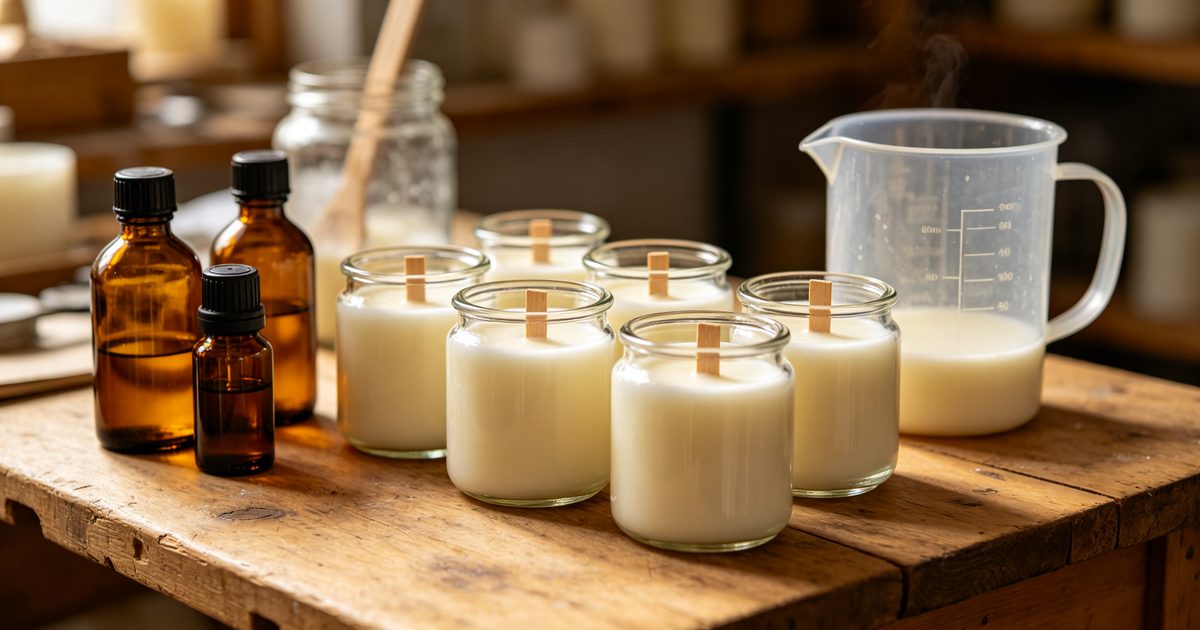
Ask any experienced chandler what separates a candle that fills a room from one that smells like warm nothing, and the answer is rarely the wax or the jar. It is the fragrance oil — its formulation, its flashpoint, how it binds with your specific wax, and whether the supplier designed it for candles in the first place. Pick the right oil and a humble soy container candle can rival boutique brands. Pick the wrong one and no amount of wick tweaking will save your hot throw.
This guide compares the most reliable candle fragrance oil sources and scent families for 2026, explains the specs that actually matter (fragrance load, flashpoint, phthalate-free status, IFRA documentation), and shows you how much oil to use for a clean, strong burn. Our selections are based on ingredient analysis, spec comparison, and verified buyer feedback — formulations change over time, so always order a small sample size before committing to bulk.
What Makes a Fragrance Oil Good for Candles?
Not every "fragrance oil" on the market is built for wax. Some are blended for soap, lotion, or cold-air diffusion, and they can misbehave badly in a candle. Before comparing brands, know the four specs that separate candle-grade oils from everything else:
- Hot throw performance — how well the scent radiates from a burning candle. This depends on the oil's aromatic compounds and how they interact with your wax. Vanilla, spice, and bakery accords typically throw strongly; delicate florals and some citrus notes are naturally softer and may need blending support.
- Flashpoint — the temperature at which the oil's vapors can ignite. For candle making, the flashpoint mostly tells you how hot is too hot when adding the oil: add fragrance well below its flashpoint (in practice, at typical working temperatures around 180–185°F / 82–85°C) so volatile top notes don't burn off before the wax even sets.
- Phthalate-free status — phthalates were historically used as solvents and fixatives in fragrance. Most reputable craft suppliers now offer phthalate-free lines, and many have phased them out entirely. If you sell candles, this is a label claim customers actively look for.
- IFRA documentation — the International Fragrance Association publishes usage limits per product category (candles fall under Category 12, the most permissive). Serious suppliers provide IFRA conformity certificates and skin-safe usage rates, which you will need if you ever expand into wax melts, soaps, or room sprays.
One more thing that matters more than any spec sheet: whether the supplier reformulates quietly. Established candle suppliers publish change notices; anonymous marketplace sellers often don't. That alone is worth a modest price premium.
The Best Candle Fragrance Oil Sources, Compared
Rather than crown a single "best scent," we compared the suppliers candle makers actually buy from — because consistent quality across a whole catalog beats one lucky bottle. Picks are based on ingredient analysis, spec comparison, and verified buyer feedback from the candle-making community.
CandleScience Fragrance Oils
The default recommendation for a reason: a huge candle-focused catalog, published flashpoints, phthalate-free across the line, IFRA docs on every product page, and batch consistency that small brands rely on. Strong performers include their gourmand and clean-linen families.
The Flaming Candle Fragrance Oils
A favorite among hobbyists for generous sample sizing and aggressive bulk pricing. The catalog leans fun and seasonal — bakery, fruit, and holiday blends — with reliable hot throw in soy and paraffin blends. Great low-risk way to build a scent library.
Bramble Berry Fragrance Oils
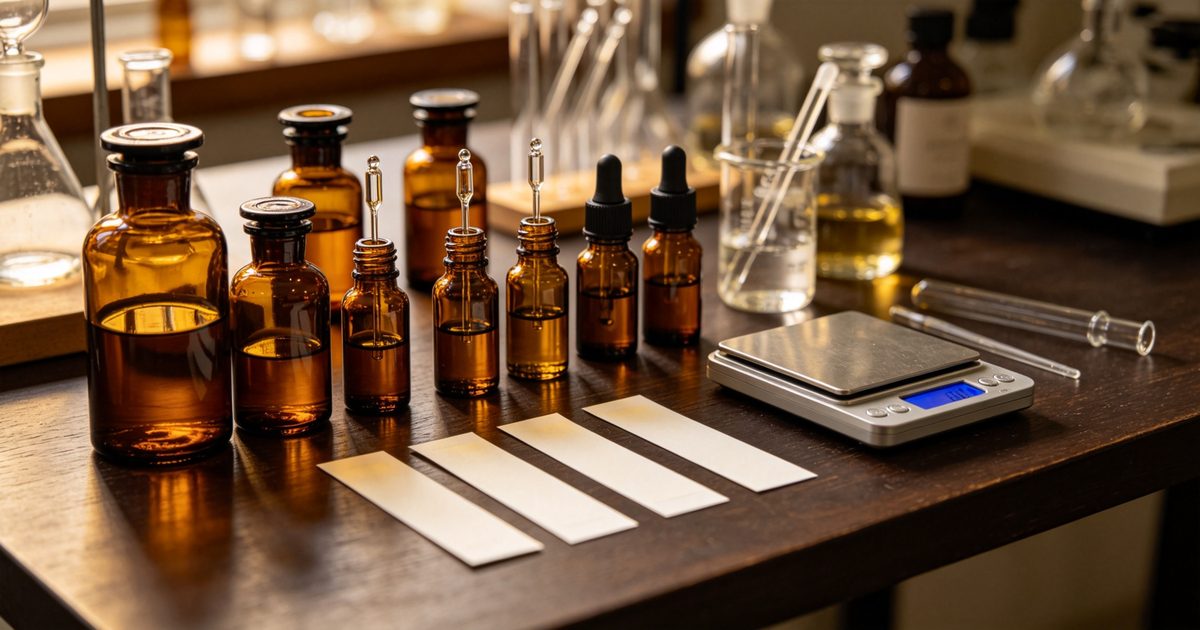
The premium, craft-forward option: sophisticated, perfumery-style blends (think sandalwood-amber or fig-cassis rather than plain "apple"), thorough testing documentation, and performance notes for both candles and soap. Ideal if your brand positioning is upscale.
Worth an honorable mention: The Perfumer's Apprentice, a long-running flavor-and-fragrance house whose individual aroma chemicals and accords let advanced makers build truly custom candle scents from scratch. It is a formulator's playground, not a beginner's shortcut — see our home formulation guide before diving in.
Side-by-Side Comparison
| Supplier | Catalog Strength | Phthalate-Free | Best For | Where to Buy |
|---|---|---|---|---|
| CandleScience | Candle-first, all families | Yes, full line | Beginners & small brands | · |
| The Flaming Candle | Seasonal, bakery, fun blends | Mostly yes, check listings | Hobbyists, scent libraries | · |
| Bramble Berry | Sophisticated craft blends | Yes, full line | Upscale candle & soap brands | · |
| Perfumer's Apprentice | Raw accords & aroma chemicals | Varies by material | Advanced custom blending | · |
← Swipe to see more →
How Much Fragrance Oil Should You Use?
The industry-standard fragrance load for container candles is 6% to 10% by weight — that is oil weight relative to wax weight, not a splash-and-pray estimate. Most container soy waxes can physically hold 10% to 12%, but more oil is not automatically better: overload the wax and you get sweating (oil weeping to the surface), clogged wicks, and sooting, with little throw improvement.
The math is simple once you do it by weight. For a batch using 500 g of wax at an 8% load:
- 500 g wax × 0.08 = 40 g of fragrance oil
- Total batch weight: 540 g (handy when you're pricing a candle line)
Always measure on a digital scale, never by volume — oil densities vary, and "one ounce per pound" folklore is a rough compromise at best. Add the oil to melted wax at around 180–185°F (82–85°C), stir gently but thoroughly for about two minutes so the oil fully binds, then pour at your wax's recommended temperature (roughly 125–145°F / 52–63°C for most container soy). Finally, let the candles cure: soy needs one to two weeks for the fragrance to fully integrate and the hot throw to peak.
Which Scent Families Throw Best in Candles?
Hot throw is not evenly distributed across scent families. Knowing the general behavior saves you expensive trial and error:
- Powerhouses: vanilla, caramel, cinnamon, coffee, baked goods, and heavy woods. Vanillin-rich gourmand accords throw hard even at 6% loads — see the chemistry behind it in our vanillin ingredient profile.
- Reliable middleweights: lavender, eucalyptus, sandalwood, amber, and most "clean" musk accords. These form the backbone of bestselling spa and linen candles. Our sandalwood profile explains why its fixative qualities also help lighter notes last.
- Delicate by nature: light florals, green notes, and fresh citrus. Beautiful cold throw, modest hot throw. Boost them with a fixative base (musk, woods, or a touch of vanilla) rather than simply cranking the load.
If you plan to sell candles rather than just make them for fun, sourcing discipline matters as much as scent selection. Our fragrance oil supplier guide for small businesses covers MOQs, documentation, and wholesale pricing tiers, and the lean startup playbook shows how a tight scent library keeps launch costs down.
Frequently Asked Questions
What fragrance load should I use for soy candles?
Most candle makers use a fragrance load of 6% to 10% by weight. Many container soy waxes can technically hold 10% to 12%, but 8% to 9% is the practical sweet spot: strong hot throw without sweating, poor burning, or wasted oil. Always check your wax manufacturer's stated maximum.
Are phthalate-free fragrance oils better for candles?
Phthalate-free oils are increasingly the industry default, and most major craft suppliers now flag or fully exclude phthalates. Performance differences are minimal for most scent profiles, so choosing phthalate-free is an easy win for marketing and peace of mind, especially if you sell your candles.
Can I use essential oils instead of fragrance oils in candles?
You can, but manage expectations. Many essential oils have a weak hot throw in soy wax, some degrade at candle-pouring temperatures, and a few (like cinnamon or clove) can be irritating at high loads. Fragrance oils are formulated specifically to bind with wax and survive burning, which is why most hobbyists and all commercial brands rely on them.
Why does my candle smell weak when it burns?
The usual culprits are a fragrance load below 6%, adding the oil when the wax is too hot (which drives off volatile top notes), a cure time shorter than one to two weeks, or an undersized wick that never forms a full melt pool. Fix those four variables before blaming the oil itself.
The Bottom Line
The best fragrance oil for candle making is the one that is formulated for wax, documented by its supplier, and consistent from batch to batch — everything else is personal taste. Start with a candle-first catalog like CandleScience, Bramble Berry, or The Flaming Candle, work at an 8% load, add oil around 185°F, and cure patiently for two weeks before judging the throw.
Ready to put these oils to work? Follow our step-by-step scented soy candle recipe and troubleshooting guide, or browse all our oils & ingredients guides.
Related Articles
This post may contain affiliate links. If you click and buy, we may earn a small commission at no extra cost to you.