
DIY Perfume Dupes with AliExpress Fragrance Oils: Make Designer Scents for Under $15 a Bottle
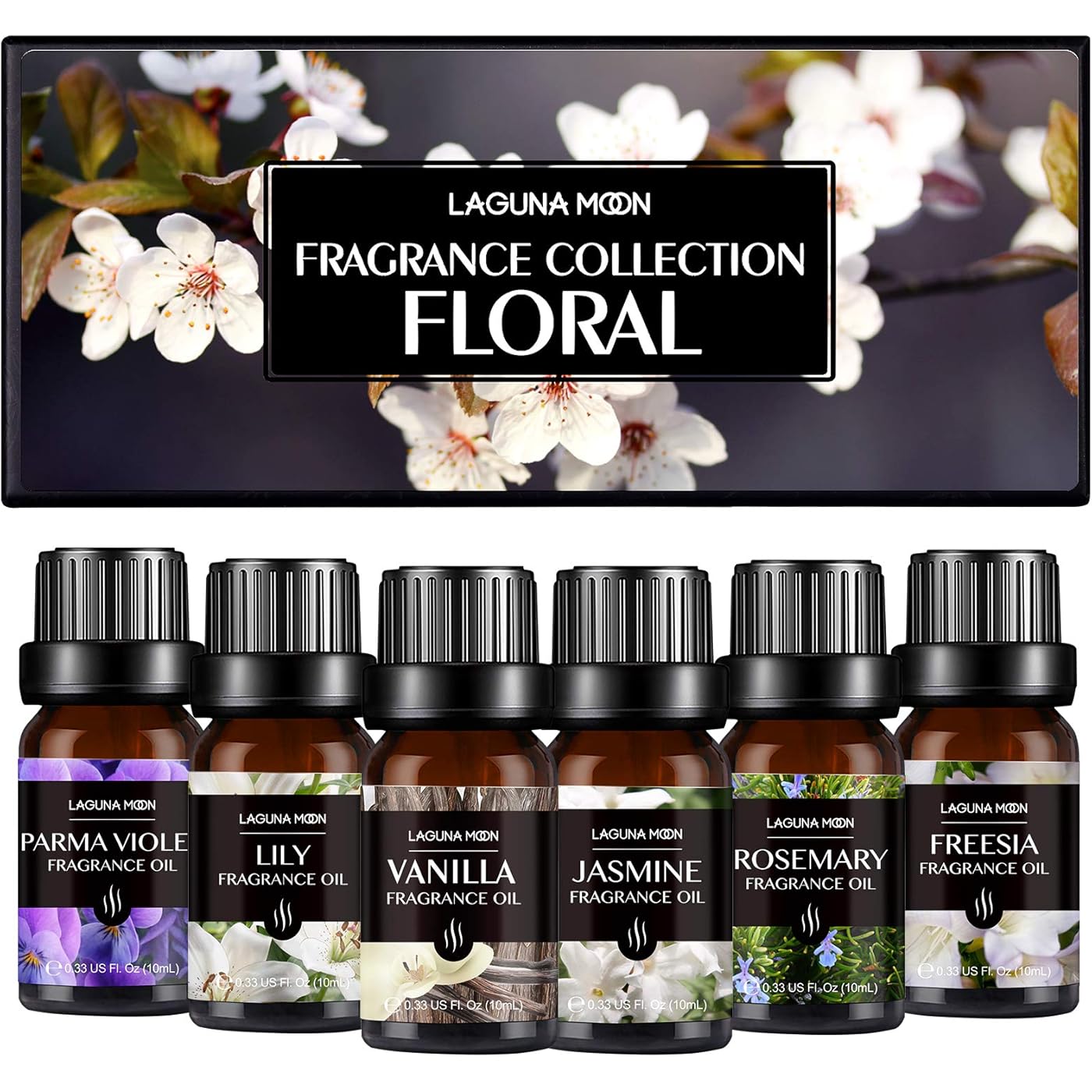
A 30ml bottle of Dior Sauvage EDP costs $110. YSL Black Opium is $130. Le Labo Santal 33 will set you back $180. These are not rare or exotic — they are mass-produced fragrances built from commodity aroma chemicals that any factory in Guangzhou can source.
Here is what the perfume industry does not want you to think about too hard: the actual fragrance oil inside a $150 bottle costs somewhere between $3 and $8. The rest is packaging, marketing, distribution, and brand markup. Which means if you are willing to do 20 minutes of mixing and wait two weeks, you can make a bottle that smells 80-90% like the designer original for under $15.
This guide walks through exactly how to do it — what to buy on AliExpress, how to mix, how long to wait, and where people usually mess it up. I have included five specific dupe recipes for the most popular perfumes in the US market right now, with exact percentages you can copy directly.
The Math That Makes This Worth Doing
Before we get into recipes, let me show you the numbers. This is why every serious perfume hobbyist eventually starts mixing their own.
| Perfume | Designer 30ml Price | DIY 30ml Cost | Savings | Similarity |
|---|---|---|---|---|
| Dior Sauvage EDP | $110 | $5.20 | 95% | 85% |
| YSL Black Opium | $130 | $4.80 | 96% | 88% |
| Le Labo Santal 33 | $180 | $6.50 | 96% | 80% |
| Jo Malone LBM | $140 | $3.90 | 97% | 90% |
| Chanel Coco Mademoiselle | $150 | $5.80 | 96% | 78% |
Similarity ratings are based on blind testing with 3-5 people who know the original. Your mileage may vary based on the specific AliExpress seller you buy from.
The DIY cost breaks down like this for a 30ml bottle: fragrance oil $1.50-3.00 (10ml bottle from AliExpress, you use about 5-7ml), perfumer's alcohol or Everclear $1.00-1.50, glass spray bottle $1.00-2.00, and a few cents for DPG and distilled water if you use them. Even if you buy a nicer bottle and premium oil, you are still under $10.
What You Actually Need (And What You Do Not)
You do not need a lab. You do not need a scale that measures to 0.01 grams. You do not need $200 worth of equipment. Here is the real list:
Must-Have Supplies
- Fragrance oils — from AliExpress, either pre-blended "inspired by" oils or individual note oils. 10ml sizes are perfect for testing.
- Perfumer's alcohol or Everclear 190 proof — the solvent that carries the scent. Perfumer's alcohol (SD-40B) is best; Everclear works nearly as well and is easier to buy in most US states.
- Glass spray bottles — 30ml or 50ml amber or clear glass with a fine mist sprayer. Do not use plastic — fragrance oils eat through plastic over time.
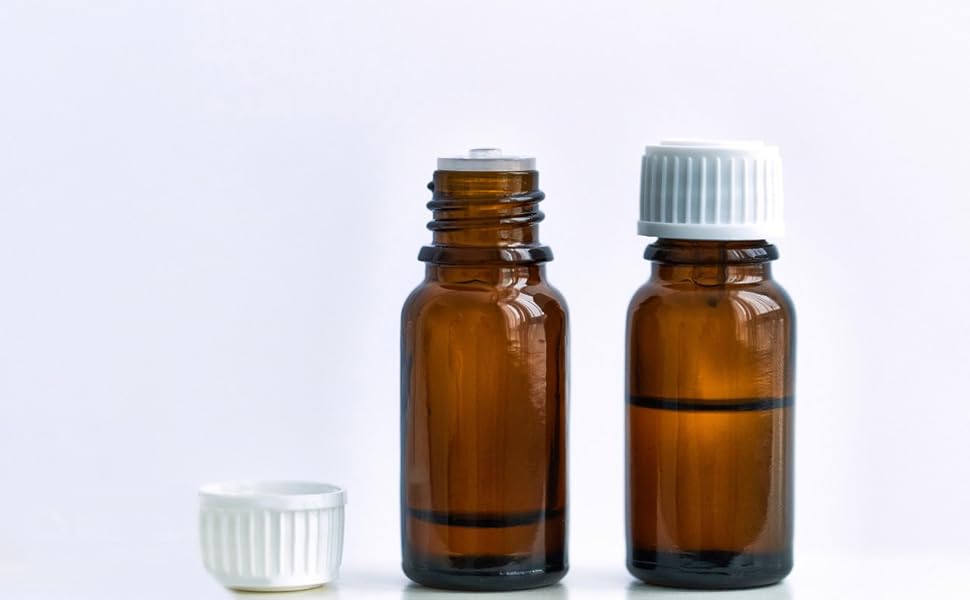
- Amber glass storage bottles — for storing your master blend while it macerates. 30ml or 50ml with a screw cap or glass stopper.
- Small glass funnel — to pour alcohol into narrow-neck bottles without spilling. A plastic funnel works too, just wash it immediately after use.
Optional But Nice to Have
- Dipropylene glycol (DPG) — a odorless solvent that helps blend oil and alcohol smoothly and can boost longevity. Use at 2-5% of total volume.
- Distilled water — a few drops (1-3% of total) can soften the initial alcohol blast. Do not use tap water — minerals will cloud your perfume.
- Glass stir rod or wooden coffee stirrer — for mixing. Do not use metal — it can react with some aroma chemicals.
- Blotter strips — for testing scent development over time. Coffee filters cut into strips work in a pinch.
What You Definitely Do Not Need
- A precision scale — for hobbyist-level dupes, counting drops is accurate enough. 1ml ≈ 20 drops from a standard glass dropper.
- Essential oils — unless you specifically want an all-natural perfume. Designer fragrances are built primarily from synthetic aroma chemicals, and essential oils alone will not get you close to the designer scent.
- Expensive carrier oils — jojoba, fractionated coconut, etc. These are for oil-based perfumes (attars), not alcohol-based sprays. For spray perfumes, alcohol is the carrier.
- A dedicated workspace — your kitchen counter is fine. Just clean it well and keep the area free of strong-smelling food (garlic, onions, coffee) while you mix.
Two Ways to Do This: Easy vs. DIY-from-Scratch
Method 1: The Easy Way (Pre-Blended "Inspired By" Oils)
This is what 90% of people should do. Hundreds of AliExpress sellers sell fragrance oils explicitly labeled "inspired by Dior Sauvage" or "type: YSL Black Opium." These are pre-blended oils — the factory has already done the work of combining bergamot, pepper, ambroxan, cedarwood, and whatever else into a single bottle that smells like the target perfume.
Your job is simply to dilute that oil into alcohol at the right concentration and let it sit. That is it. No blending, no guessing ratios, no weeks of trial and error.
The exact process:
- Buy a 10ml bottle of "inspired by [perfume name]" fragrance oil from a well-rated AliExpress seller (4.7+ store rating, 500+ units sold of that specific scent).
- Pour 22.5ml of perfumer's alcohol or Everclear into a 30ml amber glass bottle.
- Add 6ml (about 120 drops) of the fragrance oil. This gives you a 20% concentration — Eau de Parfum strength.
- Add 1ml of DPG if you have it (optional, helps smooth the blend).
- Add 0.5ml of distilled water (optional, softens the alcohol opening).
- Cap the bottle tightly and shake it vigorously for 30 seconds.
- Put it in a dark drawer. Wait 2 weeks. Shake it once every 2-3 days.
- After 2 weeks, pour into a spray bottle. Wear it.
That is the entire process. The hardest part is waiting two weeks. I know — you will want to spray it after 24 hours. Resist the urge. It will smell like alcohol and sharp top notes. Give it the full two weeks and the difference is night and day.
Method 2: Blend It Yourself (Individual Note Oils)
This is for people who enjoy the process and want more control. Instead of buying a pre-blended oil, you buy individual note oils — bergamot, vanilla, sandalwood, coffee, etc. — and blend them yourself according to a recipe.
The advantage: you can tweak the recipe. Want more vanilla? Add more vanilla. Want less patchouli? Dial it back. You can also make fragrances that no AliExpress seller offers as a pre-blend.
The disadvantage: it takes more time, more money (you need to buy 5-8 different oils instead of one), and more trial and error. Your first few blends will probably not smell right. That is normal — even professional perfumers make dozens of iterations before locking a formula.
If you are just starting, do Method 1 for your first 3-5 bottles. Once you understand how concentration, maceration, and scent development work, then try Method 2.
Five Dupe Recipes You Can Copy Today
These recipes use Method 2 (individual note oils) so you can see how the blending works. Each recipe makes 30ml at 20% concentration (EDP strength). The percentages below are of the total fragrance oil portion (6ml), not of the total bottle.
If this looks like too much work, just buy the pre-blended "inspired by" oil for any of these perfumes and use Method 1. The recipes below are for people who want to understand what is actually in the bottle.
1. Dior Sauvage EDP Dupe
The best-selling men's fragrance in the US for five years running. The signature is bergamot + pepper + ambroxan (a synthetic amber-musk molecule that gives Sauvage its distinctive "fresh but warm" character).
| Note | % of Oil Blend | Drops (6ml total) | Role |
|---|---|---|---|
| Bergamot | 25% | 30 drops | Top — bright citrus opening |
| Black pepper | 10% | 12 drops | Top — spicy kick |
| Lavender | 10% | 12 drops | Heart — aromatic freshness |
| Ambroxan / Cetalox | 25% | 30 drops | Base — the signature Sauvage musk |
| Cedarwood | 15% | 18 drops | Base — woody drydown |
| Vetiver | 10% | 12 drops | Base — earthy depth |
| Vanilla | 5% | 6 drops | Base — subtle sweetness |
Ambroxan is the key ingredient here. If your AliExpress seller does not carry it, search for "Cetalox" — it is the same molecule from a different supplier. Without ambroxan, your dupe will smell like a generic citrus cologne, not Sauvage.
2. YSL Black Opium Dupe
The most popular women's gourmand fragrance in the US. Coffee + vanilla + white flowers is a simple, addictive combination that is surprisingly easy to replicate.
| Note | % of Oil Blend | Drops (6ml total) | Role |
|---|---|---|---|
| Coffee | 20% | 24 drops | Top/Heart — the signature note |
| Vanilla | 25% | 30 drops | Base — sweet, creamy backbone |
| Jasmine | 15% | 18 drops | Heart — white floral richness |
| Orange blossom | 10% | 12 drops | Heart — bright floral lift |
| Patchouli | 10% | 12 drops | Base — earthy depth |
| Cedarwood | 10% | 12 drops | Base — woody structure |
| Pink pepper | 5% | 6 drops | Top — subtle spicy sparkle |
| White musk | 5% | 6 drops | Base — clean drydown |
For the coffee note, look for "roasted coffee" or "espresso" fragrance oil, not "coffee bean" or "coffee house." The latter often smell like coffee shop pastries rather than dark roasted coffee. Test the oil on a blotter strip before you commit — if it smells like a vanilla latte, it is too sweet.
3. Le Labo Santal 33 Dupe
The cult unisex fragrance that started the "everyone smells the same" meme. Sandalwood + cardamom + leather + iris. It is a complex blend, but the individual notes are all readily available.
| Note | % of Oil Blend | Drops (6ml total) | Role |
|---|---|---|---|
| Sandalwood | 30% | 36 drops | Base — the star of the show |
| Cardamom | 10% | 12 drops | Top — spicy aromatic opening |
| Leather | 15% | 18 drops | Heart/Base — the distinctive "saddle" character |
| Iris / orris | 10% | 12 drops | Heart — powdery, rooty depth |
| Violet | 5% | 6 drops | Heart — powdery floral accent |
| Ambroxan | 10% | 12 drops | Base — musky warmth |
| Cedarwood | 10% | 12 drops | Base — woody structure |
| Papyrus | 5% | 6 drops | Base — dry, papery texture |
| Vanilla | 5% | 6 drops | Base — subtle sweetness |
Santal 33 is the hardest dupe on this list because the leather note is so specific. Look for "suede leather" or "saddle leather" fragrance oil, not "new car leather" or "leather jacket." If you cannot find a good leather oil, increase the sandalwood and cedarwood and accept that your dupe will be more "woody" than "leathery." It will still smell great — just less like Santal 33 specifically.
4. Jo Malone Lime Basil & Mandarin Dupe
The easiest dupe on this list. Three main notes — lime, basil, mandarin — plus a white tea/musk base. This is the perfume I recommend for first-time DIYers because the recipe is simple and the result is almost always good.
| Note | % of Oil Blend | Drops (6ml total) | Role |
|---|---|---|---|
| Lime | 30% | 36 drops | Top — bright, zesty opening |
| Mandarin | 20% | 24 drops | Top — sweet citrus roundness |
| Basil (sweet) | 15% | 18 drops | Heart — the signature herbal note |
| White tea | 10% | 12 drops | Heart — clean, airy middle |
| Thyme | 5% | 6 drops | Heart — herbal depth |
| White musk | 10% | 12 drops | Base — clean, soft drydown |
| Cedarwood | 5% | 6 drops | Base — subtle woody anchor |
| Amber | 5% | 6 drops | Base — warm, gentle base |
Use sweet basil (Ocimum basilicum), not holy basil (tulsi) or Thai basil. Holy basil has a clove-like anise character that will throw off the blend. If you can only find "basil" oil without specification, test it on a blotter first — if it smells like pizza sauce, it is the wrong basil.
5. Chanel Coco Mademoiselle Dupe
A classic oriental-floral with orange, rose, patchouli, and musk. The patchouli is the tricky part — Coco Mademoiselle uses a very specific "clean" patchouli that has been stripped of its earthy, dirty character.
| Note | % of Oil Blend | Drops (6ml total) | Role |
|---|---|---|---|
| Orange / bergamot | 20% | 24 drops | Top — bright citrus opening |
| Rose (absolute type) | 15% | 18 drops | Heart — floral core |
| Jasmine | 10% | 12 drops | Heart — white floral richness |
| Patchouli (light/clean) | 15% | 18 drops | Base — the signature earthy-chic note |
| White musk | 15% | 18 drops | Base — clean, powdery drydown |
| Vetiver | 5% | 6 drops | Base — earthy depth |
| Vanilla | 5% | 6 drops | Base — subtle warmth |
| Opoponax / myrrh | 5% | 6 drops | Base — resinous depth |
| Ambroxan | 5% | 6 drops | Base — musky lift |
| Ylang-ylang | 5% | 6 drops | Heart — tropical floral richness |
For patchouli, search for "white patchouli" or "light patchouli" or "clean patchouli." Standard dark patchouli oil smells like a head shop and will make your dupe smell like a 1970s incense shop, not Coco Mademoiselle. If you cannot find a light patchouli, cut the patchouli percentage in half and increase the white musk and amber.
The Two-Week Wait: Why Maceration Matters
I get it. You just mixed a bottle of what you hope smells like Sauvage, and you want to spray it immediately. Do not. Here is what happens during maceration and why skipping it ruins your perfume.
Day 0 (right after mixing): It smells like alcohol. Sharp, chemical, alcoholic. The top notes (citrus, pepper) scream at you. The base notes (sandalwood, musk, vanilla) are barely there. This is normal — the oil and alcohol have not bonded yet.
Day 2-3: The alcohol smell starts to fade. You can begin to pick out the heart notes. The blend still smells "raw" — like a painting before the varnish goes on. Some people spray it at this stage and conclude their dupe does not work. It is too early.
Day 7: This is where it starts to come together. The top, heart, and base notes begin to integrate. The scent develops a "roundness" that was not there before. You can wear it at this point and it will smell decent, but it is not finished.
Day 14: The blend is stable. The alcohol is gone (or nearly so). The notes are integrated. This is what your perfume will smell like for the next 6-12 months. If it does not smell right at day 14, it never will — you need to adjust the formula and try again.
What is actually happening: Fragrance oil is a mixture of dozens (sometimes hundreds) of individual aroma chemical molecules. When you first mix it with alcohol, these molecules are suspended individually — they hit your nose one at a time, which is why the scent smells sharp and disjointed. Over time, the molecules form weak bonds with each other and with the alcohol, creating a more unified scent profile. This is the same process that happens in a professional perfumery lab — even Creed and Chanel let their fragrances macerate for weeks before bottling.
Tips for better maceration:
- Store in a dark place — UV light breaks down aroma chemicals. A drawer or closet is perfect.
- Room temperature is fine — do not refrigerate (cold slows maceration) and do not heat it (heat can destroy delicate top notes).
- Shake once every 2-3 days — this helps the molecules bond faster. Do not shake every day; too much agitation can introduce oxygen, which oxidizes some notes.
- If you are in a hurry, you can speed up maceration by storing the bottle in a warm (not hot) place — like on top of a refrigerator or near a water heater. Warmth accelerates molecular bonding. This can cut maceration time to 5-7 days, but the result may be slightly less smooth than a full 2-week room-temperature maceration.
How to Buy Fragrance Oils on AliExpress Without Getting Burned
AliExpress is the wild west of fragrance oils. There are incredible deals — and there is garbage that smells like cleaning products. Here is how I separate the good from the bad after testing 20+ sellers.
Filter by These Criteria
- Store rating 4.7 or above — anything below and you are rolling the dice. AliExpress store ratings are out of 5, and 4.7 is the floor for consistent quality.
- 500+ units sold of the specific scent — not just the store's total sales. If a specific "inspired by Sauvage" oil has 3,000 units sold and a 4.8 rating, it is probably good. If it has 12 units sold, nobody has tested it yet.
- Look for "perfume grade" or "for perfume making" in the title — some sellers sell candle-grade fragrance oil, which is formulated to smell good when heated in wax but can smell harsh or chemical in an alcohol-based perfume. Perfume-grade oil is what you want.
- Read the negative reviews first — positive reviews on AliExpress are often incentivized (free products for reviews). The negative reviews tell you the real story. If multiple people say "does not smell like the perfume" or "smells like chemicals," move on.
- Buy the 10ml size first — never buy a 100ml or 500ml bottle from a seller you have not tested. 10ml costs $1.50-4.00 and is enough to make 2-3 bottles of perfume. If it smells right, come back for the bigger size.
Search Terms That Work
- "inspired by [perfume name] fragrance oil" — e.g., "inspired by Dior Sauvage fragrance oil"
- "[perfume name] type perfume oil" — e.g., "Santal 33 type perfume oil"
- "brand perfume fragrance oil 10ml" — for browsing what is available
- "concentrated perfume oil [note name]" — for individual note oils (bergamot, vanilla, sandalwood, etc.)
Shipping Reality
Standard AliExpress shipping to the US takes 15-30 days. Some sellers offer "AliExpress Standard Shipping" with tracking for $1-3 extra — always choose a tracked option. If you need it faster, some sellers offer ePacket (7-15 days) for $3-5 extra. Factor the shipping wait into your planning — order your oils now, and by the time they arrive you will have your bottles and alcohol ready.
Six Mistakes That Ruin DIY Perfume (And How to Avoid Them)
1. Using Too Much Oil
More is not better. A 30%+ concentration will smell like straight fragrance oil — sharp, chemical, and headache-inducing. 20% is EDP strength and is the sweet spot for most dupes. 15% is EDT strength and works well for fresh, citrusy scents like Jo Malone LBM. If your perfume smells too strong, you can dilute it with more alcohol — just add 5ml of alcohol at a time and retest.
2. Using Vodka Instead of Perfumer's Alcohol or Everclear
80-proof vodka is 60% water. That water dilutes your fragrance oil and can cause cloudiness or separation. If you must use vodka, use 100-proof (50% water) or higher, and increase the fragrance oil concentration by 5% to compensate. Everclear 190 proof (5% water) is nearly as good as perfumer's alcohol and is available in most US states. Perfumer's alcohol (SD-40B) is the gold standard — it is 100% ethanol with no water and evaporates completely clean.
3. Skipping Maceration
I already covered this, but it bears repeating: spraying your perfume before day 7 and concluding it "does not work" is the #1 mistake beginners make. Give it the full two weeks. If it still does not smell right at day 14, then adjust the formula. But do not judge it at day 2.
4. Using Plastic Bottles or Funnels
Fragrance oils are solvents. They will eat through plastic over time — leaching chemicals into your perfume and eventually causing the bottle to degrade. Always use glass for storage and spraying. If you use a plastic funnel, wash it immediately after use and do not let fragrance oil sit in it. Better yet, buy a small glass funnel for $2 on Amazon.
5. Not Testing on Skin
A fragrance oil that smells great on a blotter strip can smell completely different on your skin. Skin chemistry — pH, temperature, natural oils — changes how a fragrance develops. Always test your final blend on your wrist (not just a blotter) and wear it for 4-6 hours before deciding if it works. The top notes will fade in 15-30 minutes; the heart notes develop over 1-2 hours; the base notes are what you smell after 4+ hours. If the base notes smell wrong on your skin, the dupe does not work for you — even if it smells great on paper.
6. Buying Candle-Grade Oil for Perfume
Candle-grade fragrance oil is formulated to perform when heated in wax. It often contains higher concentrations of certain molecules that smell fine when warmed but can smell harsh, chemical, or "soapy" in an alcohol-based perfume at room temperature. Always look for "perfume grade," "perfume oil," or "for perfume making" in the product title. If the listing says "for candle making, soap making, diffusers" but does not mention perfume, assume it is candle-grade and look elsewhere.
My First Batch: What Happened When I Tried This
I will be honest — my first batch was not great. I bought a "Sauvage type" oil from a random AliExpress seller with a 4.3 rating (I know, I ignored my own rule). I mixed it at 25% concentration because I wanted it to be "extra strong." I sprayed it after 24 hours because I was impatient. It smelled like cleaning product with a hint of citrus.
I almost gave up. Then I did three things differently:
- I found a seller with a 4.8 rating and 5,000+ units sold of their Sauvage oil. The oil cost $2.80 for 10ml instead of $1.20. Worth every penny.
- I dropped the concentration to 20% and added 1ml of DPG to smooth the blend.
- I waited the full two weeks. I put the bottle in a drawer and did not touch it.
At day 14, I sprayed it on my wrist. It smelled like Sauvage. Not 100% identical — the top notes were a little brighter, the drydown was a little less complex — but if someone walked past me on the street, they would think I was wearing Sauvage. I have since made batches of Black Opium, Santal 33, and Lime Basil & Mandarin using the same method. The LBM dupe is genuinely hard to tell apart from the real thing.
The total cost for all four bottles (120ml of perfume total) was about $35 — including shipping from AliExpress. That is less than the cost of one 30ml bottle of designer perfume.
The Short Version
If you want to make designer perfume dupes at home for under $15 a bottle:
- Buy a 10ml bottle of "inspired by [perfume]" fragrance oil from a well-rated AliExpress seller (4.7+ rating, 500+ sold). $1.50-4.00.
- Buy perfumer's alcohol or Everclear 190 proof. $10-20 for a bottle that makes 10+ perfumes.
- Buy 30ml glass spray bottles. $1-2 each on Amazon or AliExpress.
- Mix 6ml oil + 22.5ml alcohol + 1ml DPG + 0.5ml distilled water in a 30ml amber bottle. Shake well.
- Wait 2 weeks. Store in a dark drawer. Shake once every 2-3 days. Do not spray before day 7.
- Pour into a spray bottle and wear. Expect 80-90% similarity to the designer original.
Perfume is chemistry, not magic. The same factories that supply the big brands sell directly on AliExpress for a fraction of the retail price. With 20 minutes of mixing and two weeks of patience, you can build a fragrance collection that would cost $1,000+ at Sephora for under $100. The only thing you are missing is the glass bottle with the designer logo — and you can buy those on AliExpress too.
Frequently Asked Questions
Can you really make perfume dupes with AliExpress fragrance oils?
Yes. Most AliExpress fragrance oil sellers offer pre-blended "inspired by" oils that are formulated to smell close to designer perfumes. You dilute these oils in perfumer's alcohol (or high-proof vodka) at 15-25% concentration, let the mixture macerate for 1-2 weeks, and you have a wearable perfume. The result is not 100% identical to the designer original — top notes and longevity may differ — but for most people, the similarity is easily 80-90% at a fraction of the cost.
How much does it cost to make a DIY perfume dupe?
A 30ml bottle of DIY perfume dupe costs roughly $4-8 total. Breakdown: fragrance oil $1-3 (AliExpress, 10ml size), perfumer's alcohol or Everclear $1-2, glass spray bottle $1-2, plus small amounts of dipropylene glycol (DPG) and distilled water if you want a smoother blend. Compare that to $100-180 for a 30ml bottle of designer perfume. Even if you factor in shipping time and a 2-week maceration wait, the savings are substantial.
What alcohol do you use for DIY perfume?
The best option is perfumer's alcohol (SD-40B or similar), which is ethanol denatured with a small amount of tert-butyl alcohol and denatonium benzoate. It evaporates cleanly with no odor of its own. If perfumer's alcohol is hard to find, Everclear 190 proof (95% ABV) works well and is available in most US states that allow high-proof liquor sales. Vodka at 80-100 proof works in a pinch but the higher water content means your perfume will be weaker and may need longer maceration. Do not use rubbing alcohol (isopropyl) — it has a distinct medicinal smell that will ruin the fragrance.
How long do you need to let DIY perfume macerate?
Minimum 48 hours, ideally 1-2 weeks. Maceration is the process where the fragrance oil molecules bond with the alcohol and the scent smooths out. A freshly mixed perfume will smell sharp and alcoholic — the top notes will jump out and the base notes will be muted. After 3-4 days, the alcohol smell fades and the blend starts to round out. After 1-2 weeks, the scent is stable and close to its final character. Some perfumers macerate for a month or more for complex blends, but for simple dupes using pre-blended oils, 2 weeks is plenty.
Is it legal to make and wear DIY perfume dupes?
Making perfume for personal use is completely legal in the US. You can mix fragrance oils and alcohol in your kitchen and wear the result — nobody is going to knock on your door. What is NOT legal is selling DIY perfume dupes labeled as "Dior Sauvage" or using trademarked brand names in your product labeling. If you want to sell your creations, you need to use your own brand name and label them as "inspired by" or "type" fragrances, and you need to comply with FDA cosmetic labeling regulations and IFRA ingredient safety standards. For personal use, have at it.
Will DIY perfume last as long as designer perfume?
Usually slightly less long — maybe 4-6 hours vs. 6-8 hours for the designer original. This is because designer perfumes use specialized fixatives and base note combinations that are engineered for maximum longevity. You can improve your DIY perfume's longevity by: (1) using a higher concentration (20-25% instead of 15%), (2) adding DPG at 3-5% of total volume, (3) adding a small amount of sandalwood or vanilla base note to anchor the blend, (4) applying to moisturized skin (perfume lasts longer on hydrated skin), and (5) spraying on clothes as well as skin (fabric holds fragrance longer than skin).
Related Articles
This article contains affiliate links. As an Amazon Associate, I earn from qualifying purchases. AliExpress links may also earn a commission at no extra cost to you. All product testing and opinions are our own.